Exploring the Lavender Font for Playful Design
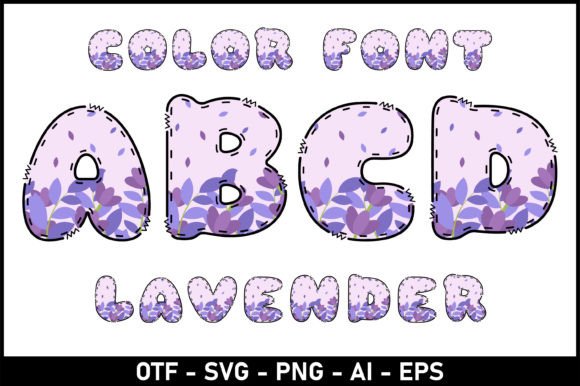
In the crowded landscape of visual communication, a typeface must do more than simply present words; it must evoke a specific emotion and personality. Lavender, a whimsical and artistic font, offers designers an immediate way to inject a sense of joy and creativity into their work. Its flowing, hand-lettered aesthetic makes it a powerful tool for projects that demand a playful, approachable, and colorful feel, moving beyond the rigidity of standard sans-serifs to connect with audiences on a more personal level.
This font style is more than just a decorative choice; it's a strategic asset in a designer's toolkit for shaping brand identity and user experience. The right typography can transform a mundane layout into an engaging narrative, guiding the viewer's eye and setting the tone before a single word is read. Lavender excels in this role, particularly for brands and creators aiming to communicate friendliness, imagination, and artistic flair. Its value lies in its ability to make content feel accessible and delightful, which is crucial in modern graphic design where emotional connection drives engagement.
Practical Applications Across Creative Projects
The versatility of a font like Lavender allows it to enhance a wide array of design applications. Its character shines in contexts where a human touch is preferred over corporate sterility. Consider its impact in the following areas:
- Branding and Logo Design: Ideal for children's brands, artisanal products, boutique cafes, or any business wanting to project a creative and friendly image.
- Marketing Materials: Creates eye-catching posters, flyers, and invitations that stand out with a personal, handcrafted aesthetic.
- Social Media Content: Adds personality to Instagram graphics, Facebook posts, and Pinterest pins, increasing shareability and audience connection.
- Editorial and Packaging Design: Perfect for book covers, especially in children's literature, as well as product packaging for cosmetics, crafts, or gourmet treats seeking a charming visual identity.
- Digital Products and Presentations: Elevates the design of e-books, worksheets, and slide decks, making them more visually appealing and memorable for users.
Integrating Artistic Typography Effectively
While a font like Lavender brings significant visual impact, its effectiveness hinges on thoughtful application within a broader design system. To maintain professionalism and clarity, designers should consider several key factors. Readability is paramount; ensure the font is used at a size and weight where its decorative forms don't hinder comprehension, especially for body text. Scalability is another consideration—highly detailed fonts may lose definition at very small sizes, so test across different mediums.
Successful integration involves creating a strong visual hierarchy. Pair Lavender with a simple, neutral font for body copy to ensure balance and prevent visual clutter. This contrast allows the artistic font to command attention for headlines or key phrases while maintaining overall readability. Furthermore, align the font's personality with the project's color palette and imagery. A pastel color scheme can amplify its softness, while bold, contrasting colors can make it pop in a more contemporary context. Always evaluate how it complements existing brand assets to ensure consistency across all touchpoints, from web design to print materials.
Ultimately, selecting a typeface is a critical decision in the design workflow that directly influences aesthetic quality and communication effectiveness. Thoughtful typography choices, like incorporating a character-driven font for specific applications, demonstrate a deep understanding of visual language. By leveraging quality creative assets that align with brand goals and audience expectations, designers and creators can craft more compelling, cohesive, and professional visual experiences that truly resonate and leave a lasting impression.