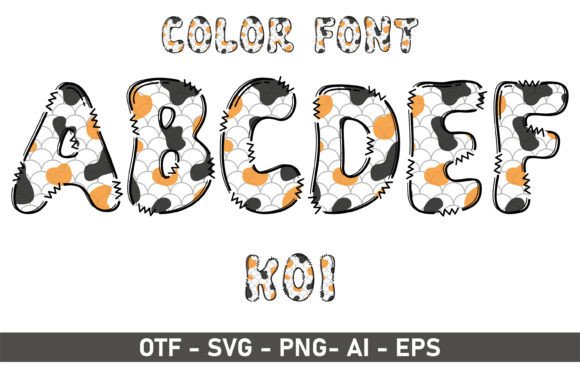
Koi Font: A Playful Asset for Modern Design
In the vast ocean of typefaces, the Koi font emerges as a vibrant and versatile asset for designers seeking to inject personality and artistry into their work. This font family is engineered to evoke a sense of whimsy and creativity, making it a powerful tool for projects that demand a friendly, approachable, and visually engaging tone. Understanding its capabilities is key to unlocking its potential across various design applications, from branding to digital content.
Why Koi Matters in Visual Communication
Koi’s design philosophy centers on conveying emotion and character through letterforms. Unlike rigid, corporate typefaces, its playful curves and artistic flair are ideal for creating an immediate emotional connection with the audience. This makes it particularly effective in scenarios where the goal is to tell a story, evoke nostalgia, or present information in a fun, digestible manner. For graphic designers, selecting a font like Koi is a strategic choice that directly influences the viewer's perception and engagement level.
Practical Applications for Creative Projects
The true strength of a typeface lies in its application. Koi’s distinctive style lends itself to a wide array of creative projects, enhancing visual hierarchy and brand personality. Consider its use in the following contexts:
- Branding and Logo Design: Ideal for brands targeting families, children, or creative services. It helps build a friendly and memorable brand identity.
- Marketing Materials: From flyers to digital ads, Koi can make headlines pop and calls-to-action feel more inviting, improving user engagement.
- Social Media Content: Its readability and charm make it perfect for Instagram posts, Pinterest graphics, and TikTok overlays, helping content stand out in a crowded feed.
- Packaging Design: On product labels, especially for food, toys, or artisanal goods, Koi adds a handcrafted, approachable quality that appeals to consumers.
- Editorial and Web Design: When used for pull quotes, section headers, or accent text in magazines or blogs, it breaks visual monotony and adds artistic flair.
Strategic Tips for Effective Typography
While a font like Koi offers great creative freedom, its effective use requires thoughtful consideration within your overall design workflow. To maximize impact and maintain professionalism, adhere to these principles:
- Prioritize Readability: Always test your chosen font at the intended size and on the target medium. Whimsical fonts should not sacrifice clarity, especially for body text.
- Maintain Visual Hierarchy: Use Koi strategically for headlines, subheadings, or key phrases. Pair it with a clean, simple sans-serif or serif font for body copy to ensure balance and readability.
- Consider Compatibility: Be mindful of technical constraints. For instance, certain color or decorative font versions may have limitations with specific software like Cricut Design Space, making the standard black version more versatile for cutting projects.
- Align with Audience Expectations: Ensure the font’s personality matches your brand voice and the message you wish to communicate. It’s perfect for a children’s book or a playful startup, but less so for a formal legal firm.
Ultimately, the thoughtful integration of a characterful typeface like Koi is a hallmark of sophisticated design. It demonstrates an understanding that typography is not just about conveying words, but about shaping experience and emotion. By selecting creative assets that align with your project's goals and audience, you elevate both the aesthetic quality and the communicative power of your work, ensuring your designs are not only seen but felt and remembered.