Happy Autumn: Infusing Seasonal Charm into Your Designs
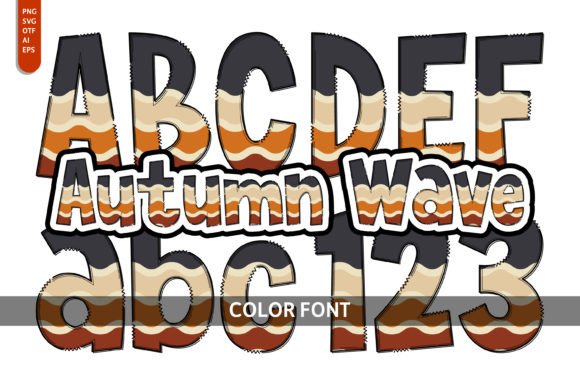
As the leaves turn and the air grows crisp, the "Happy Autumn" aesthetic offers a rich palette for designers seeking to evoke warmth, nostalgia, and celebration. This seasonal theme goes beyond simple fall imagery; it represents a specific design language involving particular color palettes, textures, and crucially, typography that captures a playful, artistic feel. Understanding how to harness these elements can elevate your projects from ordinary to memorable.
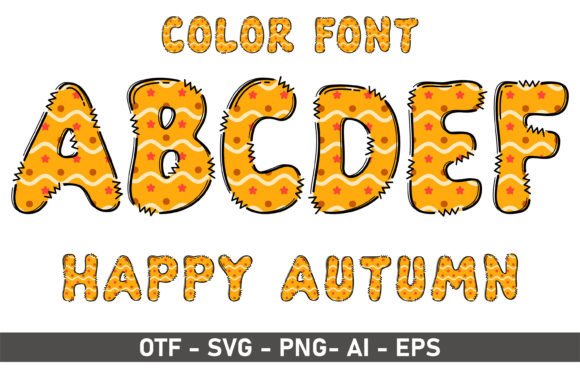
Fonts associated with a "Happy Autumn" or whimsical style are powerful tools in a designer's arsenal. They are frequently chosen for projects that aim to convey joy, creativity, and approachability. Their rounded forms, hand-drawn qualities, or decorative flourishes create an immediate emotional connection, making them ideal for a wide range of applications where a personal, engaging touch is required.
Practical Applications for Whimsical Typography
The true value of this style lies in its versatility across both print and digital graphic design. When applied thoughtfully, it can significantly enhance visual communication and brand identity. Consider these key areas for implementation:
- Brand Identity & Logo Design: A playful font can soften a corporate image or define a brand centered on creativity, children's products, artisanal goods, or lifestyle coaching. It helps build a friendly and approachable brand identity.
- Marketing & Social Media Graphics: From Instagram posts to Facebook ads, these fonts grab attention in crowded feeds. They are perfect for announcements, holiday sales, and social media graphics that need to feel festive and shareable.
- Packaging Design & Merchandise: On product labels, tote bags, or mugs, a charming typeface enhances packaging design and merchandise, suggesting handmade quality or playful intent. It directly influences the user experience at the point of sale.
- Editorial & Web Design: In editorial design, these fonts work beautifully for pull quotes, subheadings, or chapter titles in children's books, adding visual interest without compromising readability in body text. On websites, they can be used for headings to inject personality into a UI design.
- Digital Products & Invitations: They are essential for creating engaging digital planners, printable wall art, greeting cards, and event invitations where the visual hierarchy guides the user through celebratory information.
Tips for Effective Implementation
Integrating a specialty font requires more than just selection; it demands strategic application within your design workflow. To ensure your creative projects remain professional and effective, consider these guidelines:
Prioritize Readability and Context: While a decorative font is eye-catching, its primary function is communication. Test it at various sizes. Ensure it remains legible, especially for critical information. Pair it with a clean, neutral sans-serif or serif font for body text to maintain a strong visual hierarchy.
Assess Compatibility and Technical Requirements: This is a critical step in digital content creation. Always verify file format compatibility. For instance, many whimsical or color fonts have specific requirements. A standard black version may work broadly with Cricut Design Space and other cutting machines for print design projects. However, a color version of the same font is often only compatible with advanced design software like Adobe Photoshop, Illustrator, or Silhouette Studio, and may not function with certain cutting machines. Always check the font guide provided by the creator.
Maintain Brand Consistency: If you're using this style for a client or your own brand, ensure it aligns with the overall color palette, imagery, and brand voice. A whimsical autumn font might clash with a brand that prides itself on minimalist modern aesthetics. The goal is cohesive visual design.
Ultimately, the thoughtful selection of typography and creative assets like a "Happy Autumn" themed font is a hallmark of skilled design. It demonstrates an understanding of mood, audience, and context. By choosing high-quality resources and applying them with care, you can enhance both the beauty and the communicative power of your work, creating designs that resonate deeply and achieve their intended purpose.