Green Camouflage: A Playful Asset for Creative Design
The right visual element can transform a project from ordinary to unforgettable, and Green Camouflage stands out as a uniquely versatile tool for designers seeking to inject energy and personality into their work. More than just a pattern, this aesthetic choice, often paired with specific typography, communicates a distinct message of creativity, approachability, and artistic flair. Understanding how to leverage such assets effectively is key to elevating your visual design and creating memorable brand experiences.
Understanding the Green Camouflage Aesthetic
In modern graphic design, Green Camouflage functions as both a color story and a textural element. It evokes a sense of nature, adaptability, and playful sophistication. When integrated into a design system, it can soften a corporate brand, energize a youth-oriented product, or add a layer of organic charm to digital interfaces. Its effectiveness lies in its ability to act as a dynamic background or a bold foreground element without overwhelming the core message, provided it's used with a clear understanding of visual hierarchy and audience expectations.
Practical Applications Across Design Disciplines
The true power of a theme like Green Camouflage is revealed in its application. It’s a creative asset that can be adapted to numerous contexts, each requiring a slightly different approach to color palette, typography, and composition.
- Branding and Logo Design: For brands targeting outdoor enthusiasts, eco-conscious consumers, or creative markets, a camouflage-inspired logo or brand mark can instantly communicate core values. It works exceptionally well for children's apparel, adventure gear, or artisanal food brands.
- Marketing and Social Media Graphics: This aesthetic cuts through the noise on crowded feeds. Use it for Instagram story backgrounds, Facebook ad creatives, or email newsletter headers to grab attention and convey a fun, engaging brand personality. The pattern’s organic lines can guide the viewer's eye naturally through your content.
- Editorial and Packaging Design: In print design, Green Camouflage adds tactile interest. It’s perfect for magazine section dividers, book covers for fantasy or nature genres, and product packaging for items like cosmetics, snacks, or stationery, where a shelf presence is critical.
- Digital Products and UI Design: As a background or accent in website design and user interfaces, it can create a welcoming, less sterile environment. It’s particularly effective for app designs related to education, gaming, or lifestyle, where a playful user experience (UX) is a priority.
Typography: The Crucial Companion
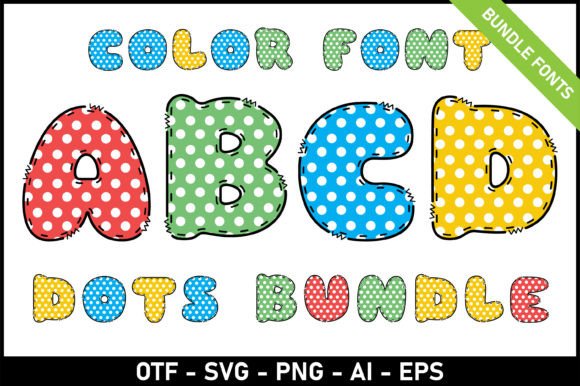
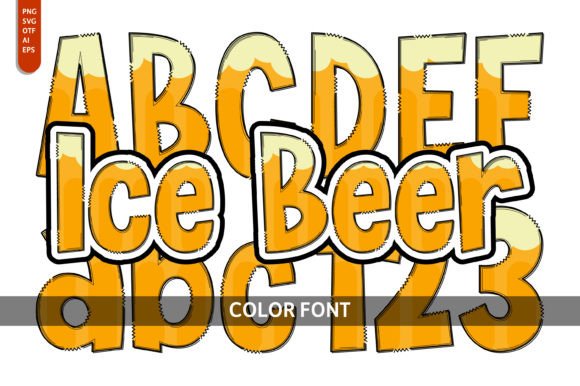
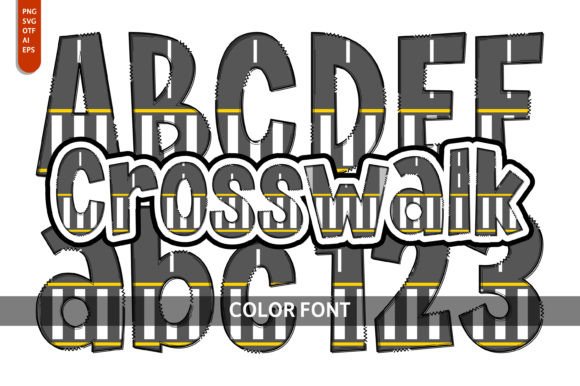
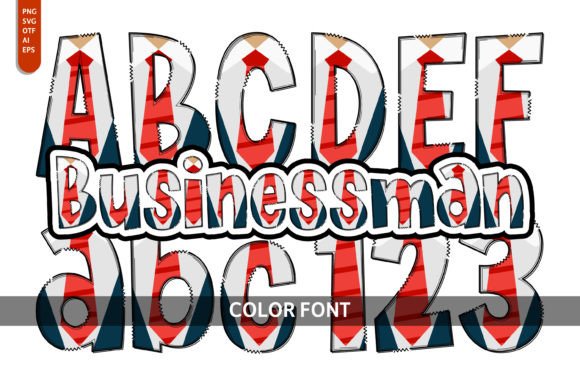
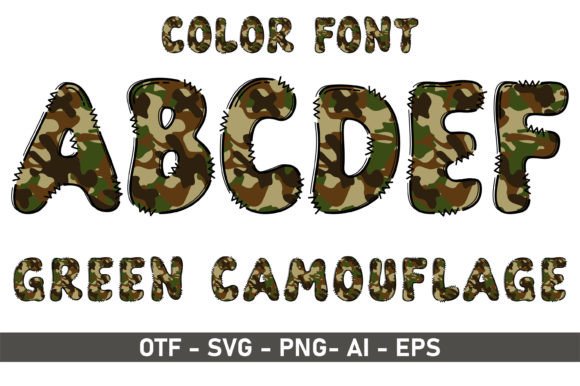
The choice of font is paramount when working with a vibrant pattern like Green Camouflage. These fonts are often used in designs that aim to convey a playful or artistic feel, such as children’s books, posters, invitations, greeting cards, and more. For instance, children’s books often utilize fonts that are whimsical, colorful, and easy to read, creating an engaging reading experience for young audiences. A bold, rounded sans-serif or a hand-drawn script can complement the organic nature of the pattern, ensuring readability while enhancing the overall aesthetic.
Technical Considerations for Seamless Workflow
Integrating new assets into your design workflow requires attention to compatibility. The black version of this font is compatible with Cricut Design Space and other cutting machines, making it ideal for physical merchandise and DIY projects. Note! The color version of this font is only compatible with certain design programs incl. PhotoShop, Illustrator, Silhouette, and Inkscape. The OTF and/or TTF files of the color version are not compatible with Cricut. For more information on how to use this type of font, always consult the provided documentation, such as an Ultimate Font Guide, to ensure your creative projects proceed without technical hurdles.
Tips for Effective Implementation
To use Green Camouflage successfully, consider these professional guidelines:
- Establish Clear Hierarchy: Use the pattern strategically to avoid visual clutter. It can serve as a background with ample negative space or be confined to specific sections like borders, icons, or featured text boxes.
- Balance with Simplicity: Pair the complex pattern with simple, clean typography and solid color blocks from its own palette (e.g., olive, tan, dark green) to create a cohesive and professional presentation.
- Know Your Audience: While versatile, this aesthetic strongly appeals to specific demographics. Ensure it aligns with your target user's expectations and the brand's overall identity.
- Test for Scalability: Check how the pattern and accompanying fonts render at different sizes, from a small social media icon to a large printed poster, to maintain integrity across all touchpoints.
Thoughtful design is about making intentional choices that serve both form and function. Incorporating a distinctive element like Green Camouflage can significantly enhance the visual storytelling of a project, making it more relatable and engaging. By pairing such creative assets with strategic typography and a solid understanding of design principles, professionals can craft communications that are not only beautiful but also deeply effective in achieving their goals.