Graffiti Art Typography: Urban Edge for Modern Design
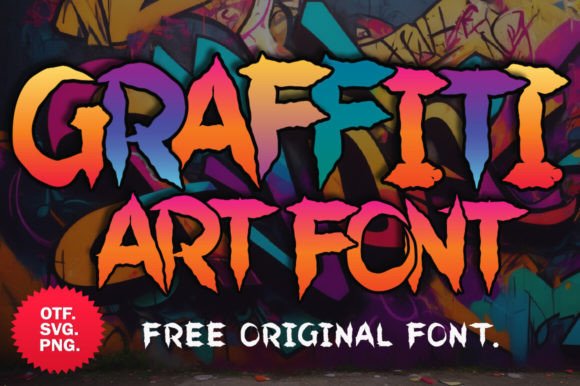
In the dynamic world of visual design, finding a typeface that captures authentic energy can transform a project from ordinary to unforgettable. Graffiti Art is a font that does exactly that, infusing your work with the raw, vibrant spirit of street art and captivating color gradients. It’s more than just letters; it’s a design asset that brings an edgy, urban masterpiece directly into your creative workflow, turning words into powerful visual statements.
The Role of Street Style in Contemporary Branding
Graffiti-inspired typography plays a crucial role in modern graphic design by bridging the gap between raw expression and polished communication. This style taps into a visual language that conveys authenticity, rebellion, and creativity, making it a potent tool for establishing a distinct brand identity. For brands targeting younger demographics or those in creative, music, or lifestyle sectors, it can create an immediate emotional connection and a sense of cultural relevance. Its inherent energy improves user engagement, making social media graphics and advertising campaigns more likely to stop a scrolling thumb.
Practical Applications for Maximum Impact
The versatility of a well-designed graffiti font allows it to enhance a wide array of creative projects. Its application is strategic, aimed at injecting personality and visual hierarchy into specific contexts.
- Branding & Logo Design: Use it for logos, wordmarks, or taglines where you want to project a bold, contemporary, and slightly rebellious identity. It’s particularly effective for startups, event branding, or product lines within fashion and entertainment.
- Marketing & Social Media: Create eye-catching headlines for posters, flyers, and digital ads. On social media, it makes quotes, announcements, and campaign slogans stand out in crowded feeds, enhancing visual communication.
- Web & UI Design: Apply it sparingly for hero section headlines, section titles, or call-to-action buttons on websites and apps. It adds a dynamic element to UI design, but readability on screen is paramount.
- Packaging & Merchandise: Elevate product packaging for items like streetwear, beverages, or tech accessories. It translates powerfully to merchandise such as T-shirts, posters, and stickers, turning everyday items into wearable or collectible art.
- Editorial & Presentations: Use it for magazine feature titles, blog headers, or slide deck titles to immediately set a creative and engaging tone for the content that follows.
Integrating Urban Typography with Professional Finesse
To leverage the Graffiti Art font effectively, thoughtful application is key. Always consider your audience expectations and the project's core message. Pair it with clean, neutral sans-serif fonts for body text to ensure readability and create a balanced visual hierarchy. This contrast allows the graffiti style to command attention without overwhelming the viewer.
Be mindful of the color palette; the font's built-in gradients are a feature, but they must complement, not clash with, your overall scheme. For professional applications, ensure the font's vibe aligns with the design goals—it’s ideal for creating excitement but may not suit formal corporate reports. Always test scalability and legibility across different sizes, especially for print design and small digital screens.
Choosing quality creative assets is a fundamental part of a streamlined design workflow. A resource like Graffiti Art provides a pre-packaged solution for achieving a complex aesthetic, saving time and ensuring visual consistency. By thoughtfully integrating such elements, designers and creators can produce work that is not only aesthetically compelling but also strategically effective, ensuring every project communicates with clarity and unmistakable style.